
Nestled within the Alps, Albertville (France) hosted the fifth and last SPARKLE Summer School Eat Better, Waste Less, Produce Locally: Developing Sustainable Food Systems for Resilient Cities, which gathered European local authorities interested in learning how to foster sustainable food production for their citizens.
This two-day event focused on three main topics: the role of different levels of government in local food policies, support for local and sustainable food production, and the promotion of healthy and sustainable diets.
Congratulations to you and the entire organising team for an excellent event. The Summer School was extremely well organised, highly engaging, and provided a great opportunity to exchange experiences and build valuable connections with participants from across Europe. I truly enjoyed the experience and found the sessions very inspiring. – Dimitris Tzempelikos, Municipality of Aigaleo
How policy can support local food strategies
We began by exploring the French policy framework regarding food, from national legislation and programmes to regional and local projects. Participants examined the policies implemented at different levels of government, with Territorial Food Projects (PATs) highlighted as key instruments for planning and coordinating actions and promoting citizen participation.
Political and legal frameworks vary between countries. The French model inspired territories whose food policies are not so advanced, proving that enabling local food action and designing clear roadmaps is possible.
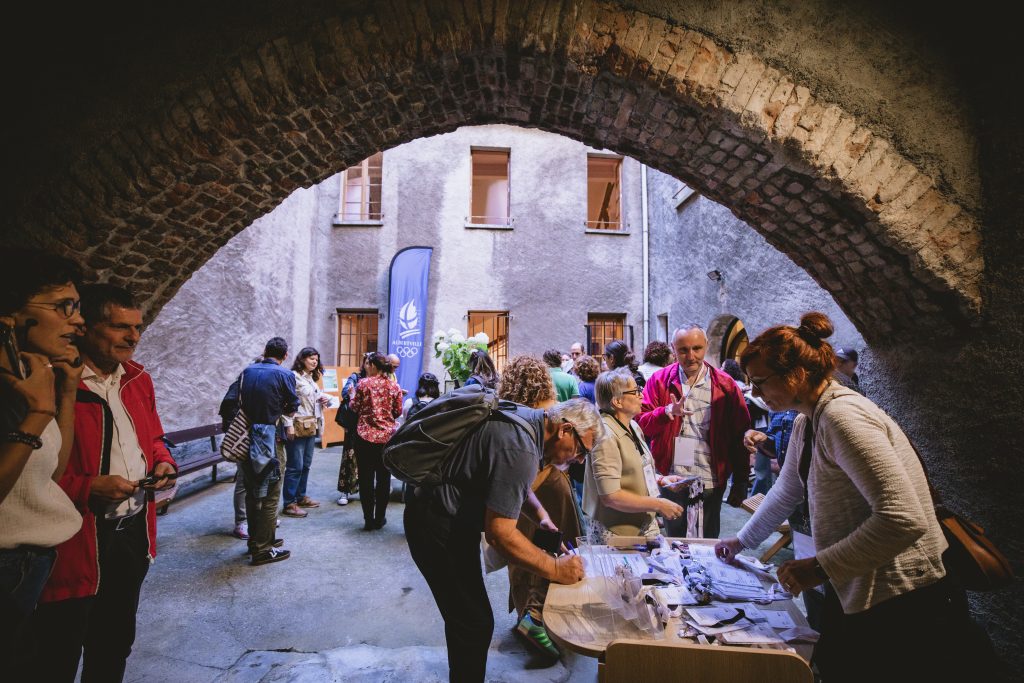
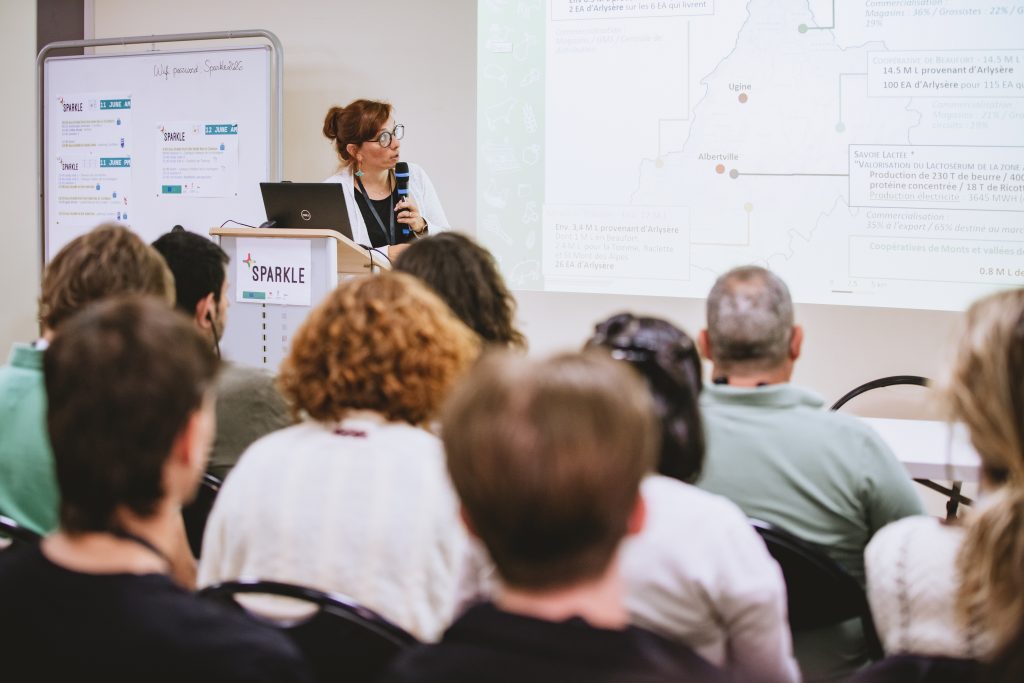
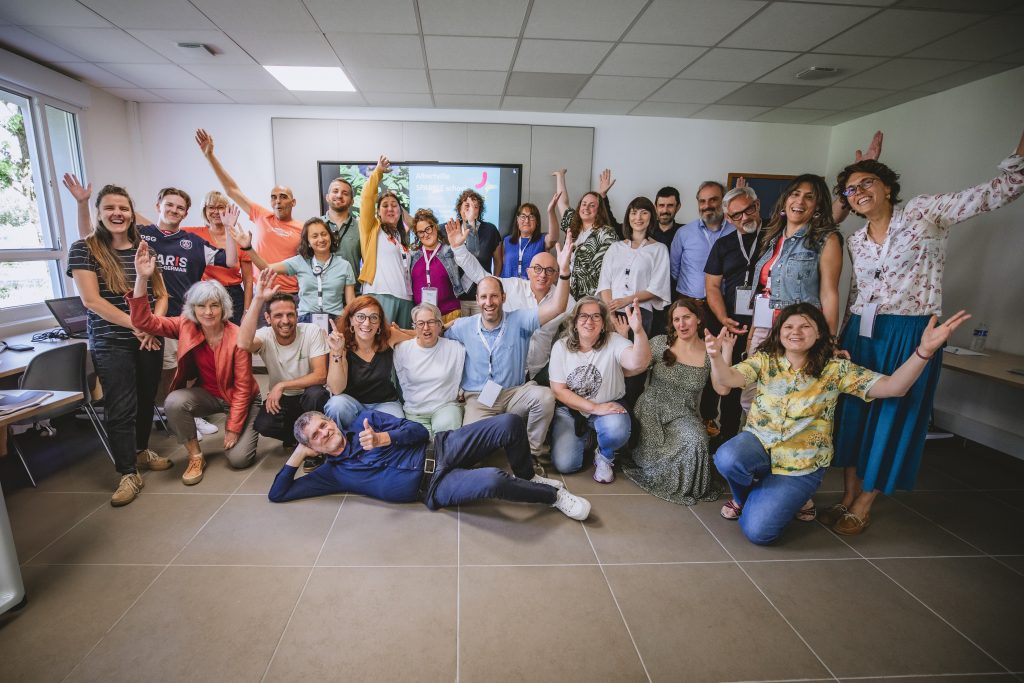
SPARKLE School Eat Better, Waste Less, Produce Locally: Developing Sustainable Food Systems for Resilient Cities_©MarjolaineGal-ALAVOLETTE.com
How can local and sustainable food production be promoted?
How can agricultural practices become more sustainable? And how can these actions be integrated at the regional level?
We tried to answer these questions also by visiting a local food shop managed by producers themselves — a real-life example of how to develop marketing channels adapted to producers’ needs. Such initiatives can improve market opportunities and support the long-term viability of local farming. Municipalities, as the level of government closest to citizens, can facilitate and coordinate initiatives that support sustainable agriculture, both among local farmers and in urban gardens. These, in turn, can contribute to more sustainable and resilient agricultural systems by promoting soil health, farm diversification, nutrient and water efficiency, and digitalisation.
Food loss and waste generate significant environmental, social and economic impacts throughout the entire food value chain. These topics were addressed through presentations on an organisation that recovers unharvested fruits and vegetables through gleaning, as well as on a factory that manufactures innovative products using whey, a by-product of the dairy industry.
The example of an organic regional district, which promotes biodiversity in agriculture, provided further inspiration by demonstrating how collaborative initiatives can drive innovation and create positive impacts.